

CAHED Joins National Tree Planting Drive in Lambwe Forest to Combat Climate Change
-
by
Cahed
- No Comments on CAHED Joins National Tree Planting Drive in Lambwe Forest to Combat Climate Change
In the heart of Lambwe Forest, nestled within the vibrant landscapes of Homa Bay County, a transformative movement is taking root—both literally and symbolically. On this significant day, the State Department for Transport, under the guidance of the Environmental Conservation Committee, launched a large-scale tree planting initiative, one that aligns with the Presidential directive to plant 15 billion trees by 2032. This nationwide movement aims to push Kenya toward achieving 30% tree cover, signaling a firm commitment to reversing the environmental degradation caused by years of deforestation and climate negligence.
Representing a new wave of sustainable action and grassroots mobilization, Community Action for Health and Development (CAHED) proudly joined this noble initiative. As an organization that firmly believes in holistic development, CAHED’s involvement underscores the deep interconnection between environmental conservation and community empowerment.
A National Goal with Local Roots
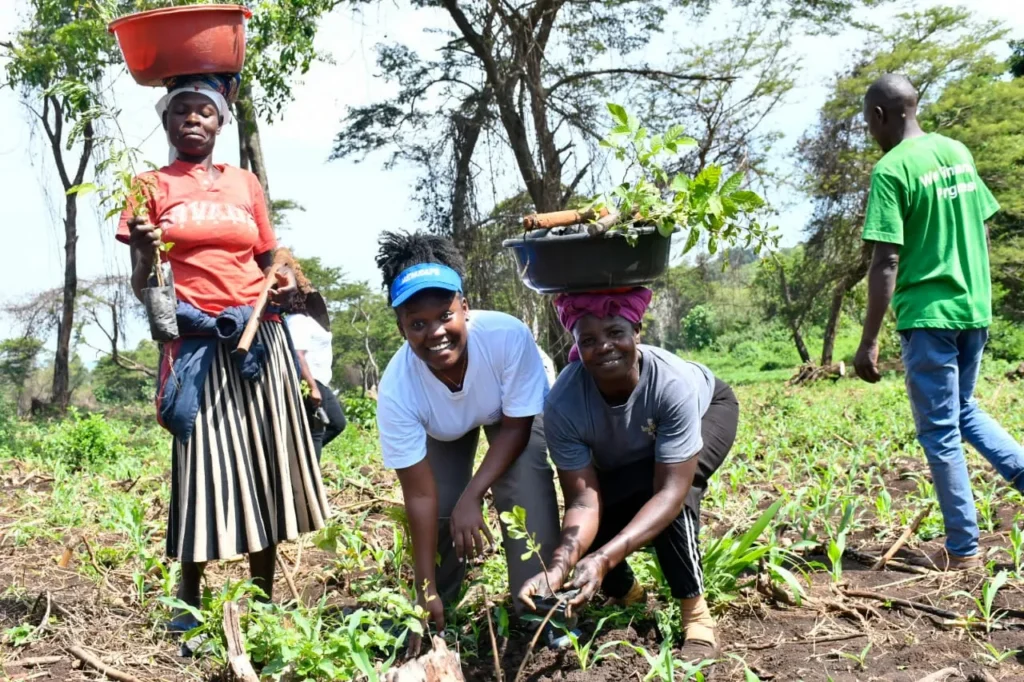
The tree-planting event in Lambwe Forest was more than a ceremonial occasion; it was a boots-on-the-ground mobilization of stakeholders, agencies, and local communities united by a shared goal—restoring Kenya’s natural ecosystems.
Hosted by the Kenya Forest Service (KFS) and led by Chief Forest Conservator (CFC) Sharon Cheluget, the exercise drew active participation from government officials, conservationists, youth groups, and community residents alike. Together, they planted over 5,000 indigenous and fast-growing tree seedlings, including:
- Terminalia brownii: known for its hardwood and resilience in dry conditions
- Croton Megalocarpus: a species valuable for its ecological benefits and oil-bearing seeds
- Macadamia lutea: an evergreen native species beneficial for soil protection and biodiversity
These species were selected for their ecological adaptability and restorative capacity in degraded zones such as Lambwe, which has faced significant pressure from illegal logging, agriculture expansion, and overgrazing.
CAHED’s Role: More Than Just Planting Trees
For CAHED, tree planting is not just about environmental conservation—it is about securing the future of marginalized communities. The degradation of forests often directly affects the most vulnerable: women collecting firewood, children depending on clean water sources, and farmers reliant on consistent rainfall.
Speaking at the event, a CAHED representative noted:
“Climate change is not a distant threat. It’s already impacting our health, our food security, and our livelihoods. By planting trees, we are investing in cleaner air, reliable rainfall, and a more stable ecosystem for future generations.”
CAHED’s environmental pillar includes:
- Advocating for community-led reforestation
- Educating youth and women on climate action
- Involving People with Disabilities (PWDs) in green economy activities
- Creating green jobs through seedling nurseries and agroforestry training
This integrated approach ensures that conservation efforts also bring social and economic benefits, reinforcing CAHED’s mission to build resilient and empowered communities.
A Shared Responsibility and a National Duty
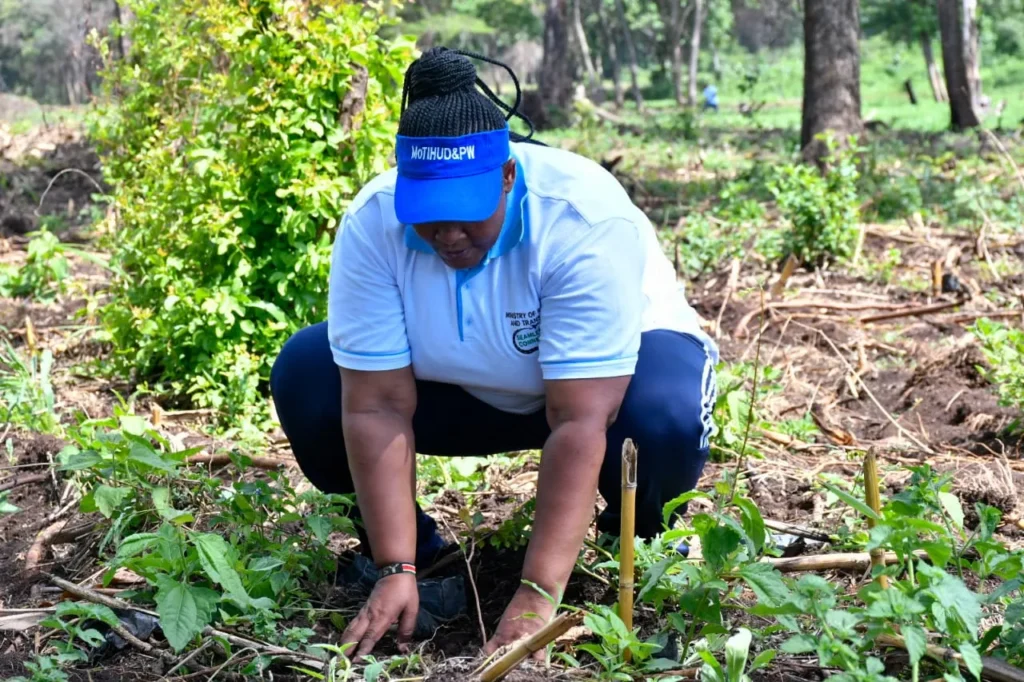
The Lambwe Forest activity forms part of Kenya’s broader strategy under the National Landscape and Ecosystem Restoration Program (NLERP). As Kenya faces worsening climate events—from prolonged droughts to erratic floods—the call to action has never been louder. President William Ruto’s 15 billion tree target is not just a policy directive; it is a call to national duty.
The Environmental Conservation Committee, working in collaboration with national ministries and county governments, is playing a central role in translating this policy into action. Homa Bay County, rich in biodiversity and ecological potential, has been identified as a key area for these restoration efforts.
By engaging local residents, including school children and youth groups, the initiative also cultivates a culture of environmental responsibility among future generations.
Community Voices: Planting Hope
Among the dozens of community members who participated in the tree planting was Mary Atieno, a local mother of three. With a shovel in one hand and a sapling in the other, she shared:
“We’ve seen rivers dry up, farms yield less, and our weather become unpredictable. Planting trees is our way of healing our land and protecting our children’s future.”
Such sentiments are echoed across Kenya. As more communities witness the harsh realities of climate change, they are becoming active agents of environmental restoration. Organizations like CAHED act as vital bridges between national policies and community-level action, ensuring that no one is left behind in this green revolution.
Looking Forward: Growing Together
The 5,000 seedlings planted today are more than just trees—they are symbols of resilience, unity, and progress. But their success depends on what happens next. Sustainable reforestation is not a one-day event; it is a long-term commitment involving:
- Regular monitoring and maintenance of planted seedlings
- Community stewardship programs to prevent illegal activities
- Integration of tree planting with water conservation and agroecology
CAHED has committed to supporting the post-planting phase by training local youth groups on seedling care, collaborating with schools to incorporate environmental education, and lobbying for more climate-smart agricultural practices.
Conclusion: A Greener, More Equitable Tomorrow
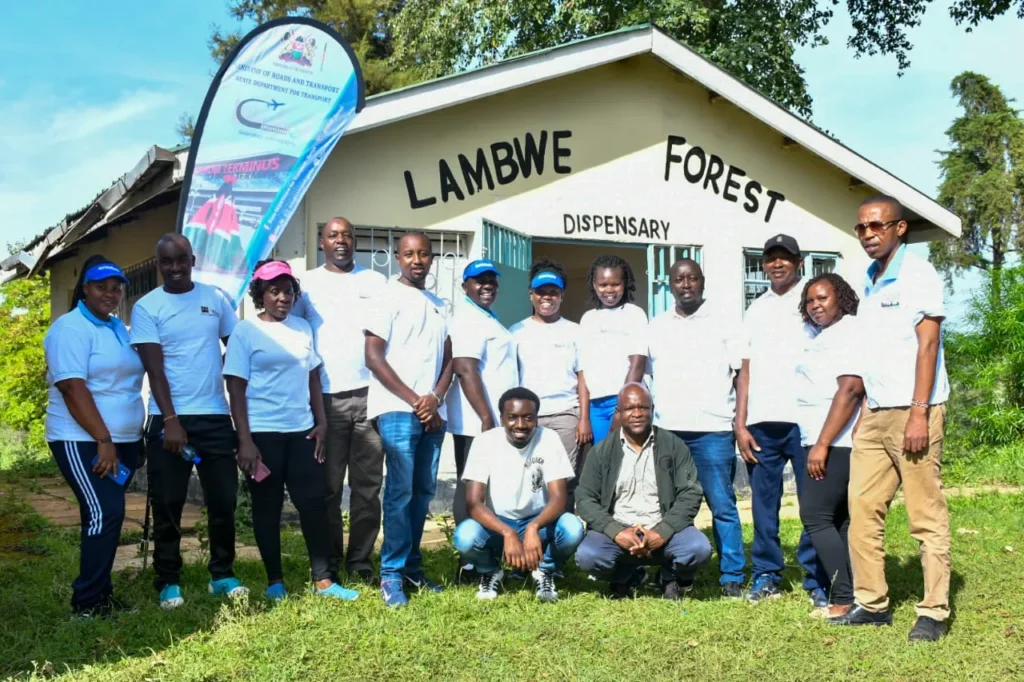
The Lambwe Forest tree planting event is a testament to what collaboration, vision, and grassroots energy can achieve. CAHED remains steadfast in its belief that a healthy environment is the foundation of healthy communities. Through inclusive, sustainable, and people-centered action, CAHED will continue championing causes that protect nature while uplifting those who depend on it most.
As Kenya marches toward its 2032 target, each tree planted is a step closer to climate justice, food security, and economic empowerment—especially for the marginalized populations that CAHED is dedicated to serving.
The journey is long, but with every seedling in the soil, hope is reborn.