Food Security, Water, and Sanitation
At Community Action for Health and Development (CAHED), we recognize that access to nutritious food, safe water, and proper sanitation is not just a basic human right but also a critical foundation for sustainable development. Our interventions in food security, water, and sanitation aim to empower communities—particularly vulnerable households, women, and youth—to build resilience against poverty, hunger, and the impacts of climate change.
Why Food Security and Clean Water Matter
Millions of families across Kenya and Africa face the daily challenge of inadequate food, unsafe water, and poor sanitation facilities. These challenges lead to malnutrition, frequent disease outbreaks, and reduced productivity in both schools and communities. By addressing food insecurity and improving access to water and sanitation, CAHED helps communities live healthier, more dignified, and sustainable lives.
Our Interventions in Food Security
CAHED works closely with local farmers and communities to strengthen agricultural systems and increase household food production. Our initiatives include:
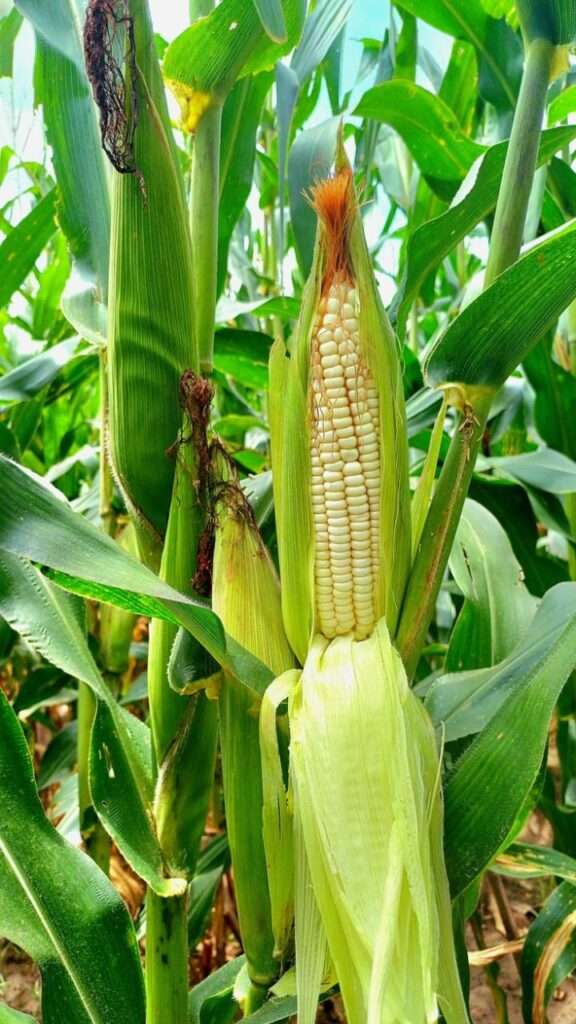
Sustainable Agriculture Practices: Promoting climate-smart farming techniques such as drought-resistant crops, organic farming, and efficient irrigation systems.
Support for Smallholder Farmers: Providing training, resources, and market linkages to smallholder farmers, with a focus on women and youth who are often excluded from agricultural value chains.
Nutrition Awareness: Educating families about balanced diets, child nutrition, and food preservation techniques to reduce malnutrition rates.
Our Water and Sanitation Programs
Clean water and sanitation are essential to public health and community development. CAHED supports vulnerable communities through:
Access to Safe Drinking Water: Partnering with stakeholders to drill boreholes, rehabilitate water points, and install rainwater harvesting systems.
Hygiene Education: Promoting handwashing, menstrual hygiene management, and safe water storage in schools and communities.
Reducing Waterborne Diseases: Implementing sanitation infrastructure in schools and local communities to minimize outbreaks of cholera, diarrhea, and other preventable diseases.
Impact in Communities
Our food security, water, and sanitation programs have transformed livelihoods by improving agricultural productivity, reducing hunger, and increasing access to clean water. In schools, improved hygiene and sanitation have led to better attendance, particularly for girls. By addressing these core issues, CAHED is building resilient communities capable of withstanding the effects of climate change.
Our Vision for Resilient Communities
We envision a future where no family goes hungry, every child has access to clean water, and communities thrive in a healthy environment. By combining sustainable agriculture with water and sanitation initiatives, CAHED continues to lay the groundwork for healthier, more resilient, and self-sufficient communities.