Breast Cancer: A Global Burden We Can Reduce
 Cahed
CahedThe Global Reality: Why This Matters Now
Breast cancer is no longer just a health issue—it is a global crisis affecting millions of families every year.
In 2022 alone, an estimated 2.3 million women were diagnosed, making it the most common cancer among women worldwide. Tragically, 670,000 lives were lost. That translates to 1 in 20 women facing a breast cancer diagnosis in their lifetime.
And the situation is expected to worsen. By 2050, projections suggest over 3.2 million new cases annually, with deaths rising to 1.1 million per year.
But behind these numbers are real people—mothers, daughters, sisters, and friends.
Here’s the powerful truth:
Many of these cases are preventable.
Emerging research—including recent 2025 studies—shows that lifestyle choices and early detection can significantly reduce risk and improve survival.
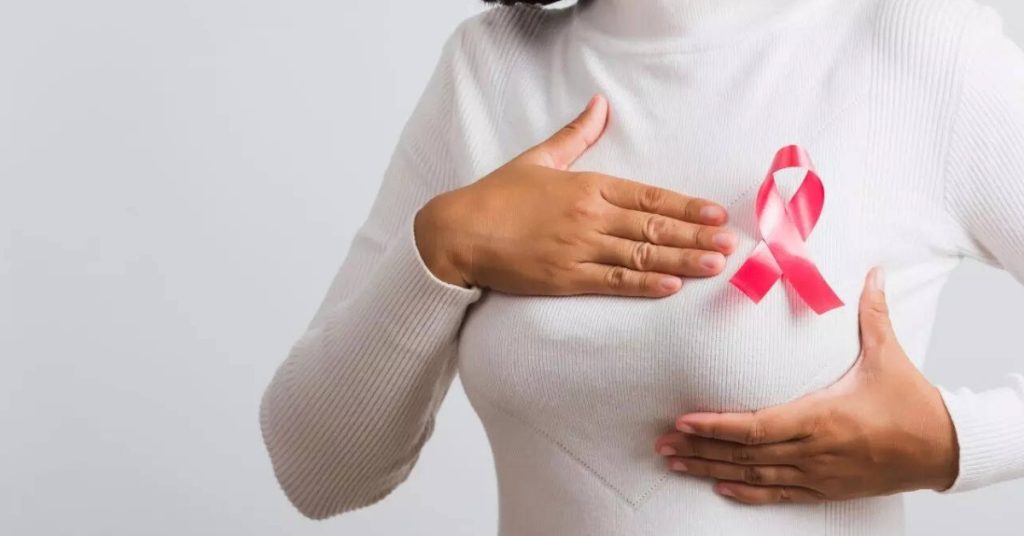
Understanding Breast Cancer: What Really Causes It?
Breast cancer develops when cells in the breast—usually in the milk ducts or glands—begin to grow uncontrollably. These abnormal cells can invade surrounding tissue and spread to other parts of the body.
While no single cause explains every case, scientists have identified clear risk factors grouped into two categories:
1. Non-Modifiable Risk Factors (You Can’t Change These)
These factors are beyond your control but important to understand:
- Age: Risk increases significantly after 50
- Genetics: Mutations in genes like BRCA1 and BRCA2 greatly increase risk
- Family History: A close relative with breast cancer raises your chances
- Reproductive History:
- Early menstruation (before age 12)
- Late menopause (after 55)
- First childbirth after age 30
These factors increase lifetime exposure to estrogen
2. Modifiable Risk Factors (You Can Control These)
This is where prevention becomes powerful:
- Hormone Exposure: Long-term use of hormone replacement therapy (HRT) or certain contraceptives
- Physical Inactivity: A sedentary lifestyle increases risk
- Excess Weight: Especially after menopause
- Alcohol Consumption: Even small amounts can raise risk
- High Breast Density: A lesser-known but important factor linked to increased risk
Prevention: What Science Says Actually Works
Here’s the encouraging part—your daily choices matter more than you think.
A growing body of research, including a 2025 review in Cancers, confirms that lifestyle interventions can significantly reduce breast cancer risk and improve overall health outcomes.
Proven Strategies to Lower Your Risk
1. Maintain a Healthy Weight
Excess body fat—especially after menopause—can increase estrogen levels, fueling cancer growth.
👉 Aim for a healthy Body Mass Index (BMI) and consistent weight management.
2. Stay Physically Active
Exercise is one of the most powerful protective tools available.
- At least 150 minutes of moderate activity per week
- Activities like brisk walking, cycling, or dancing
📉 Studies show regular exercise can reduce breast cancer risk by up to 25%
3. Limit Alcohol Intake
Alcohol has a direct link to increased breast cancer risk.
👉 Best practice:
- Limit to one drink per day or less
- Or avoid completely for maximum protection
4. Eat a Nutrient-Rich Diet
Food is medicine—if you use it right.
Focus on:
- Vegetables and fruits
- Whole grains
- High-fiber foods
- Lean proteins
📊 High-fiber diets are especially linked to reduced post-menopausal breast cancer risk.
Screening & Early Detection: Your Best Defense
Breast cancer is highly treatable—when caught early.
Recommended Screening
- Mammograms remain the gold standard
- Start between ages 40–50 (depending on risk)
- Repeat every 1–2 years until around age 75
If you have:
- A strong family history
- Known genetic mutations
👉 Your doctor may recommend earlier screening or MRI scans
Know the Warning Signs
Early detection also starts with awareness.
Watch for:
- A painless lump in the breast
- Changes in breast size or shape
- Skin dimpling (orange peel appearance)
- Redness or swelling
- Nipple discharge or inversion
💡 The key:
Know your normal. Notice what changes. Act early.
Conclusion: Prevention is Power
Breast cancer is a serious and growing challenge—but it is not unbeatable.
You may not control your age or genetics, but you do control:
- How active you are
- What you eat
- Your alcohol intake
- Whether you go for screening
These choices are not small—they are life-saving.
Take Action Today
- Move your body
- Eat smarter
- Get screened
- Encourage others to do the same
Because reducing breast cancer isn’t just a medical mission—
it’s a community responsibility.