HIV/AIDS Awareness and Community Action: A Path to Prevention and Support
 Cahed
CahedUnderstanding HIV/AIDS: A Call for Community Action
HIV (Human Immunodeficiency Virus) and AIDS (Acquired Immunodeficiency Syndrome) continue to pose significant public health challenges globally. Despite tremendous advances in treatment, prevention, and awareness, the fight against HIV/AIDS remains ongoing, especially in vulnerable communities. For Community Action for Health and Development (CAHED), this is an issue that requires collective effort, compassion, and proactive engagement at every level—from individual awareness to large-scale community mobilization.
What is HIV/AIDS?
HIV is a virus that attacks the immune system, specifically the CD4 cells (T cells), which are crucial for the body’s defense against infection. Over time, if left untreated, HIV can damage the immune system to the point where it is no longer able to fight off common infections and diseases, leading to AIDS. AIDS is the final and most severe stage of HIV infection, characterized by a weakened immune system and increased vulnerability to opportunistic infections and certain cancers.
While there is currently no cure for HIV, early diagnosis, regular medical treatment, and lifestyle changes can allow individuals living with HIV to lead healthy lives.
Global and Local Impact of HIV/AIDS
HIV/AIDS continues to disproportionately affect certain communities, particularly in low-resource settings, with sub-Saharan Africa being the most affected region. However, other communities, including men who have sex with men, transgender individuals, sex workers, and people who inject drugs, also face higher rates of infection.
In many countries, including ours, stigma and discrimination around HIV/AIDS continue to impede progress in prevention, treatment, and care. People living with HIV are often marginalized, facing not only health challenges but social isolation and economic hardships.
At CAHED, we recognize that addressing HIV/AIDS requires a holistic approach—one that considers not just medical intervention but also social and economic factors. By strengthening community-based efforts, we can ensure that people living with HIV have access to the care, support, and resources they need to thrive.
The Role of Community Action in HIV/AIDS Prevention
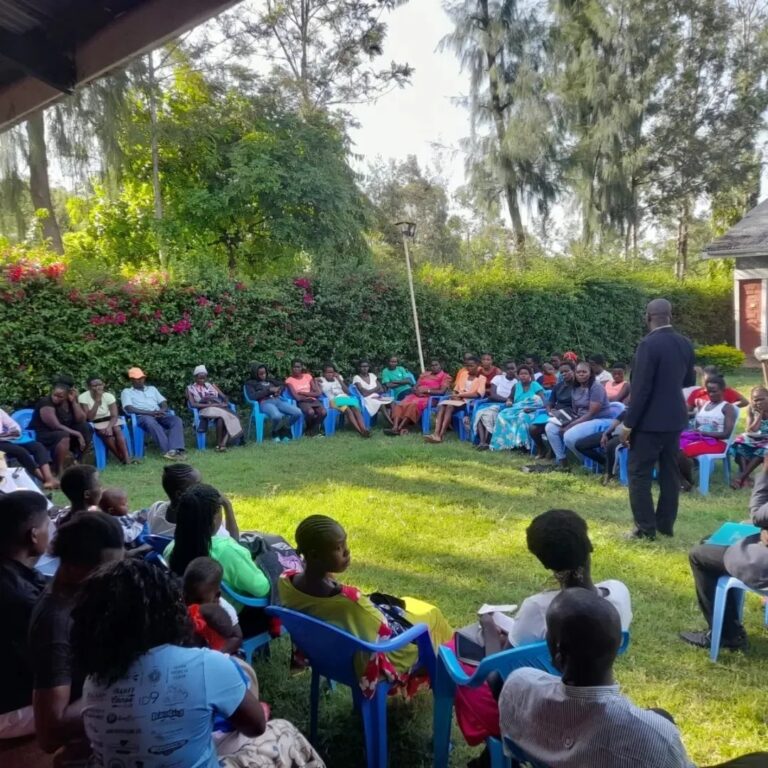
Community engagement is critical in the fight against HIV/AIDS. Effective programs must be rooted in the communities they serve, designed to meet local needs, and be culturally sensitive. CAHED believes in the power of grassroots action to bring about sustainable change. Our approach focuses on three key areas:
1. Prevention through Education and Awareness
Prevention remains one of the most powerful tools in the fight against HIV/AIDS. Education about HIV transmission, safe sexual practices, and the importance of regular testing can drastically reduce new infections. By reaching out to communities, CAHED works to dispel myths and misconceptions, encourage open conversations, and promote healthy behaviors.
It’s essential to emphasize that HIV is preventable. Safe sexual practices, including the use of condoms, PrEP (Pre-exposure prophylaxis), and needle exchange programs for people who inject drugs, have been proven to reduce the risk of HIV transmission. Educating communities about these prevention strategies can help reduce stigma and promote healthier behaviors.
2. Access to Testing and Treatment
Early diagnosis is crucial for managing HIV and preventing progression to AIDS. Regular HIV testing should be encouraged, as individuals who are diagnosed early can start treatment and lead long, healthy lives.
At CAHED, we work to ensure that testing services are accessible, confidential, and non-judgmental. In many regions, testing may still be met with fear and resistance, often due to stigma. By offering community-based testing, peer support, and outreach programs, we are breaking down these barriers and making testing more accessible to those who need it most.
In addition to testing, it is vital to provide individuals living with HIV access to antiretroviral therapy (ART). ART helps reduce the viral load in the body to undetectable levels, significantly reducing the risk of transmission and improving the quality of life for individuals living with the virus.
3. Support and Care for People Living with HIV
People living with HIV often face emotional, social, and financial challenges. They may deal with discrimination, isolation, or lack of support from family and friends. CAHED provides a platform for community-based care that includes psychological support, social services, and financial aid, helping people navigate the many facets of living with HIV.
Support groups and counseling services are crucial for mental well-being, offering people a space to share their experiences and find solidarity with others facing similar challenges. Community-based organizations play a pivotal role in reducing the stigma surrounding HIV, ensuring that those affected can live with dignity and respect.
Key Strategies for Effective HIV/AIDS Interventions
- Inclusive Programs: Addressing the needs of marginalized groups such as sex workers, the LGBTQ+ community, and people who inject drugs is essential. CAHED’s programs ensure that these groups have access to education, testing, treatment, and care.
- Youth Engagement: HIV awareness programs targeted at youth are crucial. Young people are at risk of HIV infection, especially those who are unaware of their vulnerability or are misinformed. CAHED’s youth-focused initiatives empower young people to take charge of their sexual health and encourage peer-led education.
- Collaboration with Healthcare Providers: CAHED works closely with local healthcare facilities to improve the availability of HIV-related services. This includes facilitating training for healthcare professionals, ensuring they are equipped to provide quality care in a stigma-free environment.
- Advocacy for Policy Change: Advocating for policies that support HIV prevention, treatment, and care is fundamental. CAHED actively engages with policymakers to ensure that the needs of people living with HIV are met, that access to services is equitable, and that rights are protected.
Moving Forward: A Collective Responsibility
The battle against HIV/AIDS is not just a public health issue—it’s a human rights issue. As we move forward, we must continue to prioritize the voices and experiences of those most affected. Community-led action is at the heart of a successful response to HIV/AIDS, and CAHED is proud to be at the forefront of this fight.
We call on all individuals, organizations, and governments to join hands in combating HIV/AIDS. Through continued education, access to services, and breaking down the barriers of stigma and discrimination, we can create a world where HIV is no longer a death sentence, but a manageable condition.
Together, we can end the HIV/AIDS epidemic. It starts with you—your action, your compassion, and your commitment to health and development.
About CAHED
Community Action for Health and Development (CAHED) is a grassroots organization dedicated to improving public health and social welfare in local communities. We believe in the power of collective action to drive sustainable change, and our programs focus on health promotion, disease prevention, and human rights advocacy. Join us as we work toward a healthier, more equitable future for all.